Shared or separate: choosing toys for couples play
When two people want to play together, the question of what kind of toy to reach for can shift the whole mood. Some toys are built for two bodies at once, designed to stimulate both partners during the same act. Others work best when each person holds their own, using a device on themselves while still sharing the moment. Each approach has its own feel, and picking between them depends on what kind of connection you want that session to have.
What shared-stimulation toys really offer
Toys made for two are often shaped to sit between bodies or wrap around both people. A wearable vibrator that both partners can feel during intercourse is a common example. These designs try to put pressure or vibration on areas that would otherwise get less attention when bodies are close. The appeal is obvious: one device, one movement, and both people feel it at the same time.
That shared sensation can make the experience feel more collaborative. You are both responding to the same source of pleasure, and that can add a layer of intimacy that is hard to get with separate toys. There is also the practical benefit of fewer hands needed. One person can hold the toy in place, or it might stay put on its own, leaving hands free for other kinds of touch.
But shared toys also come with trade-offs. Fit matters a lot. A toy that works well for one pair might shift or slip for another. Body shapes, positions, and even the type of lubricant can change how well it stays in place. Comfort is another factor. Some couples find that a toy between them feels bulky or distracting, pulling focus away from the person they are with. And because the toy is doing one thing at a time, it may not hit the right spot for both people at once. One partner might feel the vibration strongly while the other barely notices it.
Separate toys, shared moment
Using a separate toy for each person is a simpler setup in many ways. Each partner picks something that works for their own body, and they use it while staying close or even touching each other. A wearable vibrator can be worn by one person while the other uses a different toy on themselves. This removes the fitting challenge entirely. Each device is chosen for the person who will use it, and there is no compromise on shape, intensity, or placement.
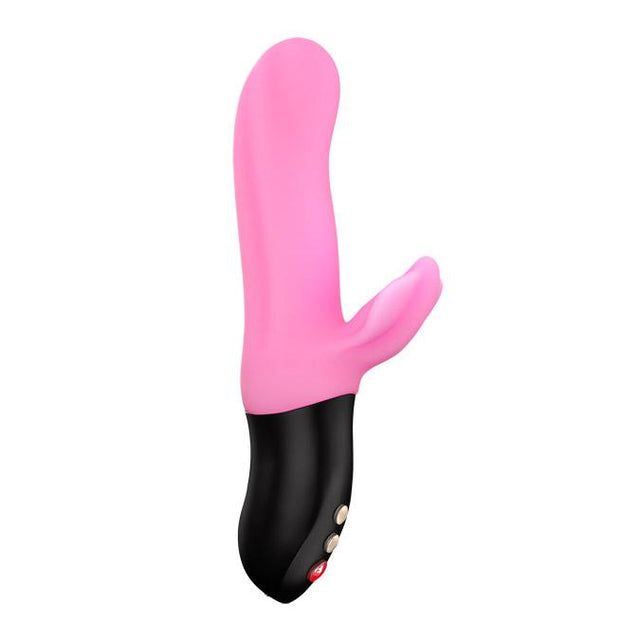
Separate toys also let each person control their own pace. One partner might want a long, slow build, while the other prefers shorter, more direct stimulation. With separate devices, both people can follow their own rhythm without having to negotiate a single point of contact. That independence can reduce pressure and make the experience feel more relaxed. It also opens up more positions, since neither person has to hold a toy in a specific place for the other to feel it.
The downside is that separate toys can feel less connected. The physical feedback loop of both people feeling the same vibration is gone. Some couples miss that shared sensation, especially if they are used to the way a single toy can make both bodies respond together. There is also the matter of logistics: two toys mean more batteries, more cleaning, and more space on the nightstand. For some people, the extra steps are worth it. For others, they break the flow.
Wearable vibrators: a middle ground
Wearable vibrators are an interesting case because they can work either way. A toy that straps on or sits inside the body can be used during partnered sex, with the wearer getting direct stimulation and their partner feeling the vibrations through contact. Some are designed to be worn during intercourse, with a shape that lets both people feel the buzz. Others are meant for solo wear, but still allow a partner to touch or interact with the toy during play.
For couples, a wearable vibrator can be a good compromise. It gives one person consistent, targeted stimulation, while the other can still feel involved by pressing against it or adjusting its placement. The toy does not require both people to hold it, so hands stay free. And because the fit is tailored to one person, there is less worry about it slipping out of place during movement.
Comfort becomes a key factor here. A wearable toy should feel secure without pressing too hard. Silicone and soft finishes help, but shape matters more. Some designs use a curved internal piece that stays put during active play, while others rely on a harness or adhesive. Lubricant compatibility is worth checking, since some materials react poorly with certain lubes. Water-based lubricants are usually a safe bet and work well with most wearable vibrators.
When one approach suits better than the other
Choosing between shared and separate toys often comes down to what kind of attention each partner wants. If both people enjoy the same kind of stimulation and want to feel each other's reactions in real time, a shared toy can strengthen that connection. It works well when bodies fit together easily and when both partners are comfortable with a single point of contact doing most of the work.
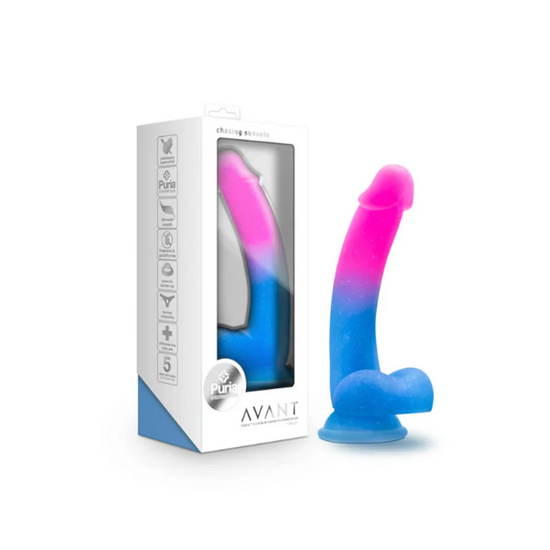
Separate toys are a stronger choice when preferences differ. If one person wants a high intensity while the other prefers a gentle hum, two devices let each person have exactly what they want. They also work better when one partner has a mobility issue or a position that makes it hard to hold a shared toy in place. In that case, each person can focus on their own toy without worrying about whether the other is getting enough sensation.
Boundaries play a role too. Some people feel more present when they hold their own toy. Others find that sharing a toy makes them feel more connected. Talking through those preferences before play starts can save a lot of fumbling later. Consent is about more than just agreeing to use a toy. It is about agreeing on what kind of experience both people want to have.
Communication makes the choice clear
No toy, shared or separate, can replace a conversation about what each person actually wants. Some couples assume that a toy designed for two will automatically make partnered play better, when in reality it might not match either person's preferred sensation. Trying a shared toy and then switching to separate toys in the same session is a low-pressure way to compare. Many people discover that they like different things depending on mood, position, or how aroused they already are.
Remote control features add another layer. A wearable vibrator that one partner controls while the other wears it can feel like a shared toy even though it is technically separate. The wearer gets the sensation, and the person with the remote gets to choose when it changes. That power dynamic can be exciting for some couples, but it also requires clear communication about limits. Deciding in advance who controls the toy and for how long keeps the play fun instead of frustrating.
For anyone exploring this choice for the first time, stores like Kinksy carry a range of wearable vibrators and couples toys that make it easy to experiment. Trying one style does not rule out the other, and many people end up using both kinds depending on the night. The goal is not to pick a single approach forever, but to find what fits the two of you in the moment.
Practical things to check before play
Before settling on a toy, it helps to think about a few practical details. First, check the material. Soft, body-safe silicone is common, but some toys use harder plastics or blends that may not be as comfortable against both bodies. Second, think about how the toy will be cleaned. Shared toys that touch both partners need thorough washing between uses, especially if they move from one person to the other. Third, consider noise. Some wearable vibrators are quieter than others, and in a shared space, sound can affect how relaxed both people feel.
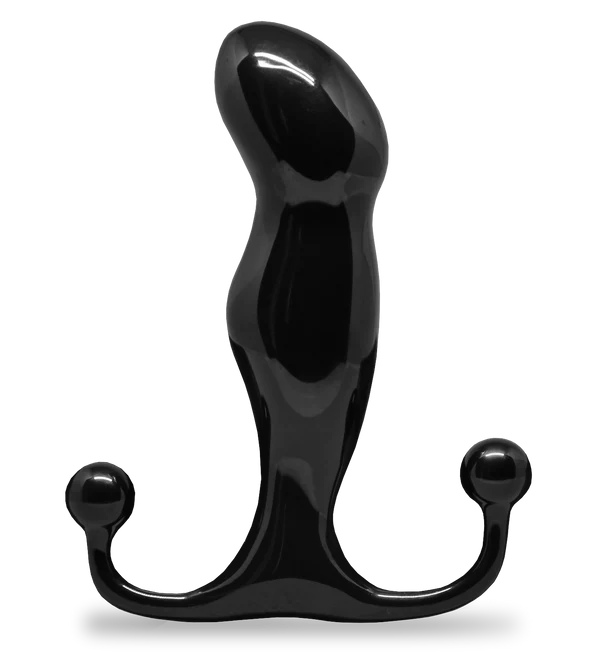
Battery life matters too. A toy that dies halfway through play can kill the mood, especially if recharging takes hours. Many modern toys use USB charging, which is faster than older methods, but it is still worth charging before use. Finally, store the toy properly. Silicone can attract dust and lint, so a clean pouch or drawer keeps it ready for the next time.
Choosing between shared and separate toys is not a one-time decision. Bodies change, preferences evolve, and what worked last month might not feel right tonight. The best approach is to keep talking, keep trying, and keep both options on the table. A wearable vibrator from a shop like Kinksy can be a great starting point, but it is only one tool in a much larger kit. The real connection comes from paying attention to each other, not just to the device in your hand.